Moving Between Care Neighborhoods: Your Questions Answered
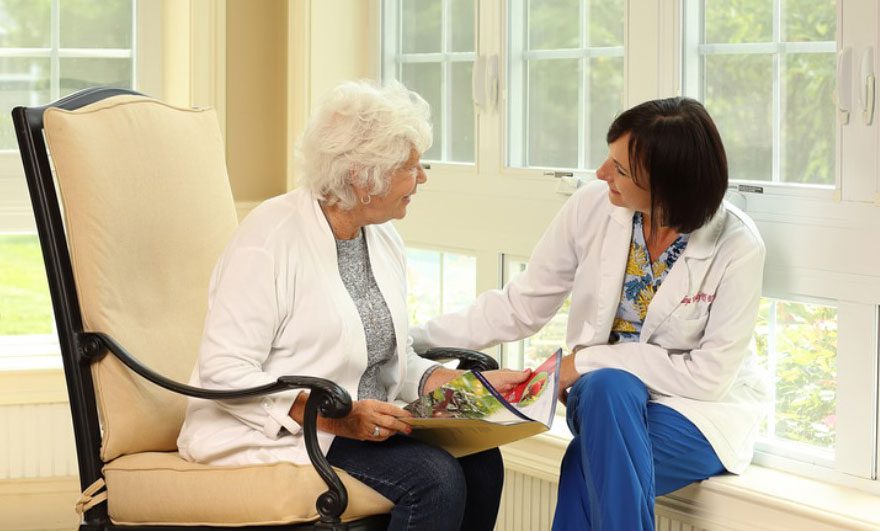
Get answers to frequently asked questions about how Sunnyside Manor’s continuum of care works when health needs change.
 What happens when your loved one’s health changes after a move to senior living? It’s one of the biggest worries families face when planning a move to senior living – that at some point they may have to start the process again.
That’s why so many families are drawn to our continuum of care, and why people are so curious about how it works.
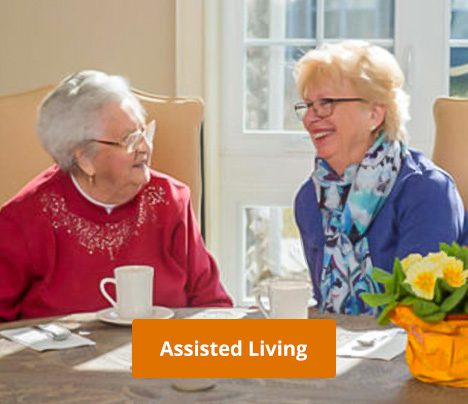
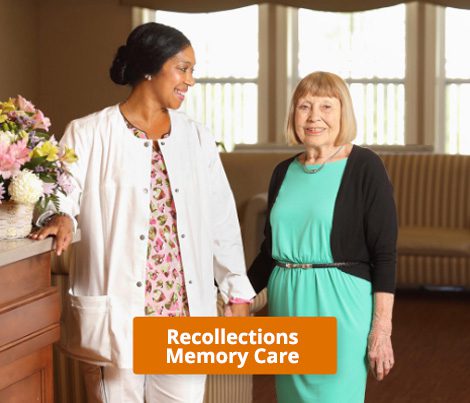
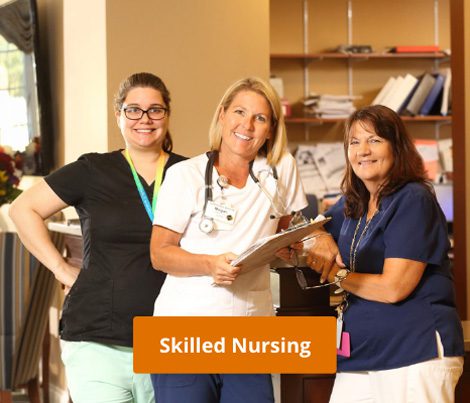
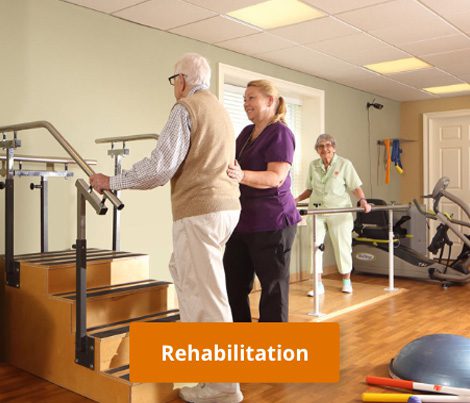
At Sunnyside Manor we have three neighborhoods under one roof, each tailored to serve seniors with different care needs: Independence ‘Plus’ Assisted Living, Recollections Memory Care, and Skilled Nursing, which includes Long-Term Care & Short-Term Rehabilitation.
Read on to get a look behind the scenes at how our continuum works, and get answers to the questions we frequently hear from families about transitioning between neighborhoods.
1. Are moves to different neighborhoods always long term? Does everyone eventually move?
Generally, moves that are due to progressively increasing care needs are for the long-term, whether the care needs are physical or related to memory loss.
However, one of the most common moves in our community is short-term: from assisted living to short-term rehabilitation, and back. When a resident in our assisted living neighborhood needs inpatient therapy after a hospital stay, they usually complete their therapy in our short-term rehabilitation neighborhood, where they have the comfort of being “home,” and quality and continuity of care when they return to their assisted living apartment.
Not everyone will have a need to move, even short term, but everyone does agree that having the option brings peace of mind.
What happens when a senior’s health changes after moving to assisted living? See more of how seniors use the continuum of care at Sunnyside Manor.
2. How do I know if it’s time to move between neighborhoods?
First, it’s important to know that communication with families about their loved one’s care is regular and ongoing. Unless there is a sudden change in health, families will know that care needs are changing and will be talking about it with our team well in advance of an actual move.
We only recommend changing neighborhoods when it will benefit your loved one’s safety and quality of life. Recommendations are based on day-to-day interactions, and observations about changes in care needs and overall wellbeing.
For residents with memory impairment, a recommendation to move to memory care may be made based on a change in safety awareness (like wandering behaviors or forgetting to use a walker). Or, a recommendation may be made when staff see that a resident is becoming overwhelmed by the pace of assisted living and would benefit from a simplified routine. (Find more information about the difference between assisted living and memory care here.)
Attention to the details of each resident’s wellbeing – and communicating that to families – is central to how we care. In fact, it’s so important that we have a dedicated transition team who meet regularly to ensure that each resident’s needs are being met in the best way possible across our three neighborhoods.
The transition team includes care staff, activities staff, and administrators who all have insights into each resident’s daily routine. They ensure that residents are in the optimal place for their wellbeing, and that when a move is necessary it is as seamless and as stress-free as possible for the resident and their family.
3. How is changing neighborhoods different from moving to another facility?
In short, it’s much simpler and the adjustment process is easier on your loved one.
Should the need for a different type of care arise, all the “homework” is already done. Moving between neighborhoods within our continuum eliminates stressors like researching and touring new places, going through the application process again, starting relationships from scratch, and the physical stress of the actual move.
That’s especially important should there ever be a need for a quick transition, as in the case of an unexpected medical event.
For your loved one, they’ll be in a familiar environment with a care team who knows them. And, when moving from short-term rehabilitation back to assisted living, they can easily continue therapy with the team they know and trust.
Our transition team ensures that all the details of the transition are managed seamlessly, from care plans to dietary preferences to hanging favorite photos on the wall. And, because the management team is the same, we already know your loved one’s history, their preferences, and the family dynamics.
This was without a doubt the best decision our family made. Our mom was 96 years old at the time and spent a wonderful three years in assisted living. Now 99 years old, Mom requires skilled nursing and everyone at Sunnyside made the transition smooth and seamless.
-Lorraine K.
4. Who makes the decision about changing neighborhoods?
Moving between neighborhoods is part of an ongoing conversation between the care team and the resident’s family.
When we start the conversation about transitioning to a different neighborhood, it is always with the safety and wellbeing of the resident first. Recommendations also include discussions about alternatives, like additional private care or even hospice services in assisted living.
5. What does the actual move look like?
When it’s time for a move to a different neighborhood, our move-in coordinator and transition team will ensure the process is as smooth and stress-free as possible.
We’ll get the new space ready, relocate and set up a resident’s belongings just the way they like, and gently orient them to their new neighborhood.
Behind the scenes, our transition team works together to ensure that care plans and resident and family preferences are communicated among the neighborhood’s care team, so that needs are met seamlessly.
We invite families to be as involved as they choose in the actual move. Some families like to be hands-on, while others prefer to have our staff handle the logistics. Either way, we’re by your side to make sure the move is smooth and stress-free.
6. What if my loved one doesn’t want to change neighborhoods? How do I help them adjust?
It’s normal to experience some resistance, especially to a long-term move. Because these decisions are generally made over a longer time frame, there is time to adapt and adjust. A move can be emotional for families, too. It’s important to give your loved one – and yourself – time to get used to the idea.
Be a gentle and supportive sounding board for your loved one’s concerns. You can find more guidance on starting the conversation here, and special considerations for moving to memory care here.
7. What stays the same when my loved one moves? What’s different?
Many families wonder what exactly changes between neighborhoods and what stays the same. Here’s an overview of what you can expect.
What stays the same:
- Management team continuity, which means consistent quality of care and services across neighborhoods.
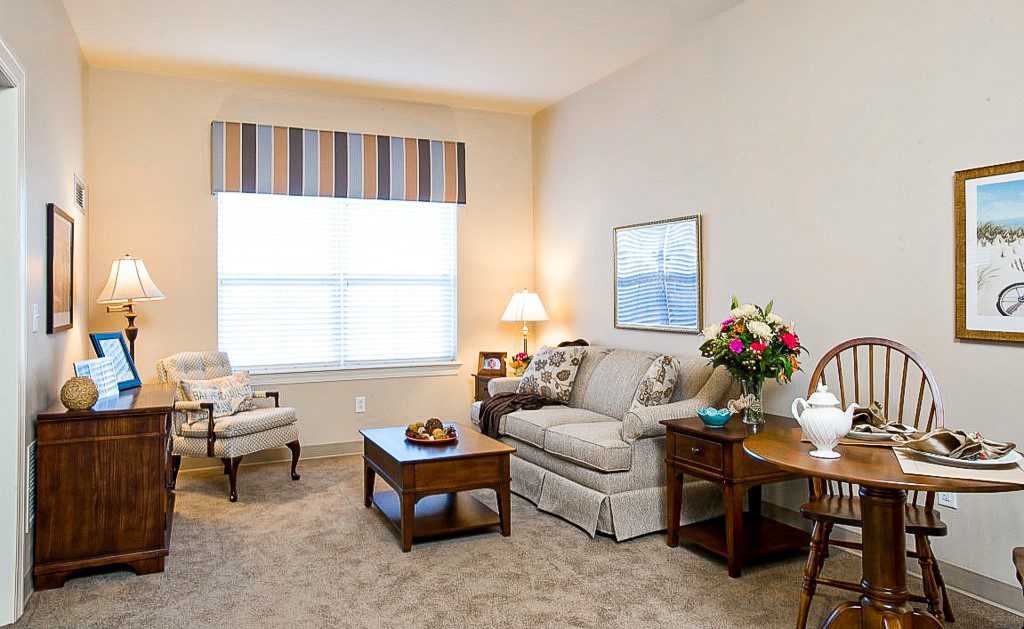
- The familiar and welcoming look and feel of the neighborhoods.
- Engaging, campus-wide traditions like our family picnic.
- Ability to keep most healthcare providers.
- The same therapy team across the short-term rehabilitation neighborhood and assisted living neighborhoods.
What’s different:
- The level of care. Skilled nursing offers more medical supervision and support than assisted living. Memory care offers a daily routine and programming tailored those with moderate to severe memory loss.
- The size of the neighborhood. Neighborhoods that serve greater care needs are smaller and more intimate.
- The individual caregivers you may encounter day to day. Caregivers in each neighborhood are specially trained to support specific care needs.
- Activities and meals are customized for the needs of the neighborhood’s residents – by the same exceptional dining and activities teams you know.
At Sunnyside Manor, our transition team and dedicated staff are by your side to make life’s changes as smooth and stress-free as possible. You can find answers to more senior living questions here. Ready to start the conversation? Contact us here, or call us at 888-696-2052.
Learn More About Why Families Rely On Sunnyside Manor
When you have questions about senior living, we are here to help. Sunnyside Manor offers assisted living, memory care, and skilled nursing and rehabilitation. Learn more about Sunnyside Manor’s resources for caregivers. Whether you’re looking for short-term support or a longer-term plan, begin with our “Getting Started” guide. Please call us at 888-696-2052 to speak with a senior living expert.
Sunnyside Manor, located in Wall NJ, is the area’s premier family-owned senior living community. The community features three distinctive neighborhoods: Independence ‘Plus’ Assisted Living, Recollections Memory Care, and Long-Term Care & Short-Term Rehabilitation. Respite stays and palliative care are available in all neighborhoods.