Healthy Living: A Lifelong Journey

Healthy living looks different at every stage of life. What does that mean when you’re caring for a senior loved one?
 When looking after the health of a senior parent or loved one, many people also find themselves rethinking what “health” means to them.
That’s not a detour – it’s part of the path. The focus of healthy living shifts naturally from one stage of life to the next, reflecting physical changes, new responsibilities, and changing ideas about what it means to thrive. What works beautifully at one stage of life may evolve into something new as goals and priorities change.
Here’s a look at how healthy living evolves from young adulthood through the senior years — and what that means when you’re supporting a parent or loved one on their journey.
Building the Foundation: Healthy Living in Young Adulthood
In young and early adulthood, healthy living is about building: families, careers, and the commitments that will shape the rest of adult life. That means keeping up with preventive care, establishing good habits around food, movement, and sleep, and finding positive and productive ways to deal with stress. At this stage, you’re laying the groundwork for the life you’re building and who you want to become.
The focus is on creating the strength and endurance – physically and emotionally – to meet the responsibilities and rewards that come with a full adult life.
Shifting Priorities, Deeper Awareness: Healthy Living in Midlife
In mid-life, the focus of healthy living shifts from building to sustainability. Life can change dramatically at middle age – inside and out – with midlife career shifts, body changes, and changes in family relationships as children grow up and parents age. In mid-life many people find themselves in the “sandwich generation,” balancing caregiving responsibilities for children and older relatives.
Changing Roles: Managing the Transition from Child to Caregiver for a Senior Parent
Amid so much change, managing stress becomes key. At this stage, people may discover that how they managed stress earlier in life – a particular kind of exercise or a go-to fun activity – doesn’t work the way it once did.
That shift in itself can be challenging – and it’s far more common that most people expect. Stress relief, too, evolves to meet the needs of the day. Many people at this stage find themselves adjusting exercise routines, changing dietary habits, and rethinking their commitments.
10 Small Habits For Big Results (In the New Year or Anytime)
Healthy living at mid-life is less about “muscling through” and more about finding practices that serve a bigger purpose and answer bigger questions: What habits or mindsets will be most supportive through this phase of life? What will allow me to show up the way I want to show up for people I care about?
Far from “slowing down,” this stage is about deepening. And as the questions deepen, many people in mid-life find themselves with something new to think about: not just their own health journey, but taking an active role in the health of parents or elder relatives.
What it Means to Thrive: Health in the Senior Years
In the senior years, healthy living becomes about intention and purpose.
The foundations are familiar: good nutrition, regular movement, and managing stress. But some aspects of health that once came naturally from jobs, parenting, and the rhythm of daily life – like social connection, meaningful activity, and a sense of purpose – now benefit from a more deliberate approach. The goal is more than managing health; it’s creating conditions for a full, enjoyable and thriving life.
That means building in opportunities to connect socially, to move, and to find meaning. It also means managing chronic conditions proactively, and meeting health challenges in ways that preserve independence and enjoyment of life.
For families who are actively involved in a loved one’s care, this often comes down to one guiding question: What will help them stay as independent and safe as possible, while also living happily and well?
The Continuum of Care: Support that Evolves
It’s normal for health needs to evolve in the senior years, and they may shift more quickly than in earlier stages of life. A senior living community with a continuum of care is designed with exactly that in mind.
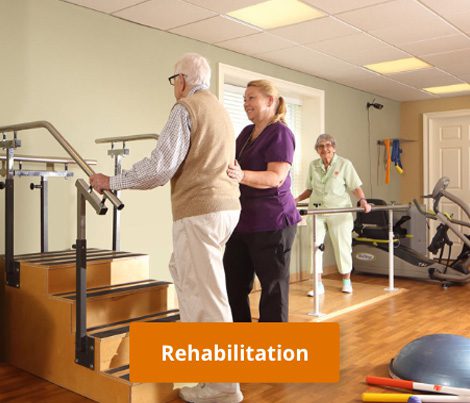
When a senior’s health needs change, the support changes with them. For example, during recovery from an illness or procedure, a resident in Independence ‘Plus’ Assisted Living can transition seamlessly to our skilled nursing and rehabilitation neighborhood for more extensive clinical support and rehabilitation, then return to their assisted living apartment. That means they recover at “home,” with friends nearby and a care team that already knows them. That continuity matters, for recovery, comfort, and peace of mind.
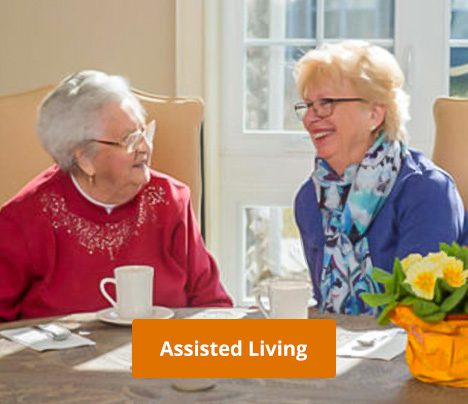
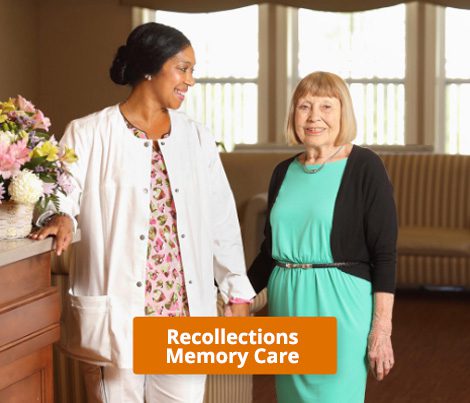
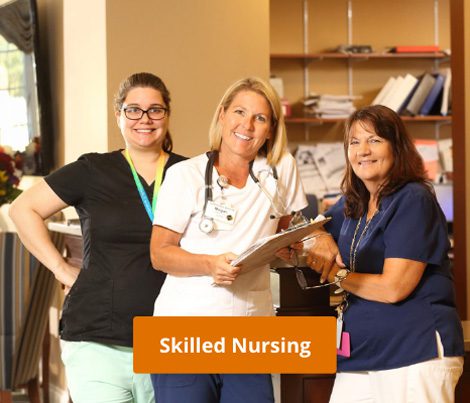
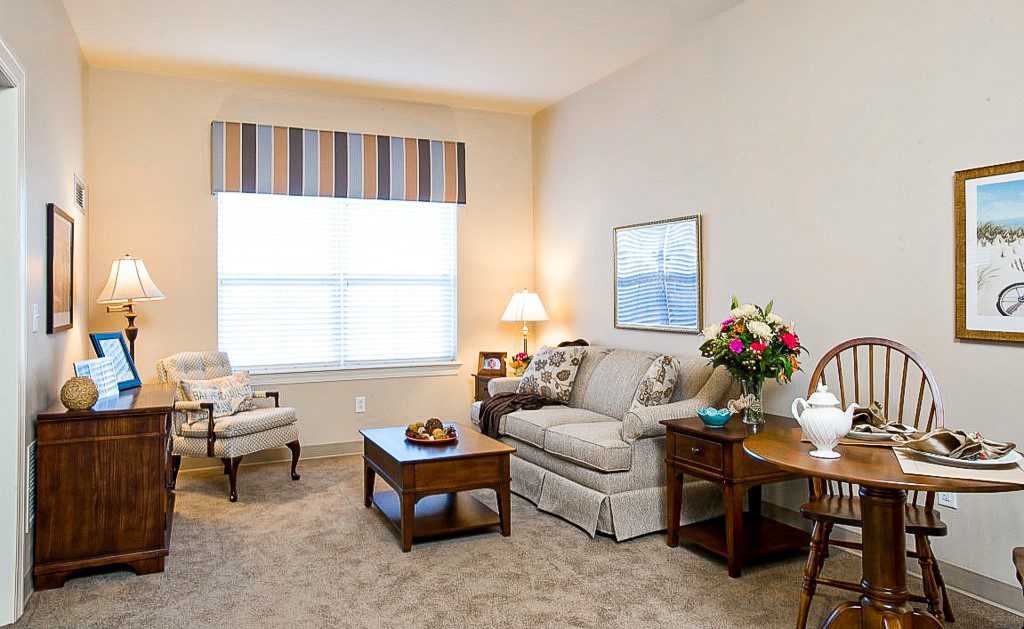
At Sunnyside Manor, our continuum offers personalized support for physical health needs alongside all the other elements of healthy living – social connection, exercise, creativity, celebration, and learning – right at your doorstep. Assisted living, memory care, and skilled nursing and rehabilitation each offer tailored support so that even in times of change, the community, the familiar faces, and the feeling of home remain constant.
Healthy living is a journey. When you’re walking alongside a parent on theirs, we’re here to help. Please contact us to start the conversation.
Learn More About Why Families Rely On Sunnyside Manor
When you have questions about senior living, we are here to help. Sunnyside Manor offers assisted living, memory care, and skilled nursing and rehabilitation. Learn more about Sunnyside Manor’s resources for caregivers. Whether you’re looking for short-term support or a longer-term plan, begin with our “Getting Started” guide. Please call us at 888-696-2052 to speak with a senior living expert.
Sunnyside Manor, located in Wall NJ, is the area’s premier family-owned senior living community. The community features three distinctive neighborhoods: Independence ‘Plus’ Assisted Living, Recollections Memory Care, and Long-Term Care & Short-Term Rehabilitation. Respite stays and palliative care are available in all neighborhoods.