Finding Peace of Mind and Balance on the Caregiving Journey

Learn about three common ideas that can lead caregivers to take on too much, and how new perspectives can create a more balanced experience.

Caregiving takes a lot of energy – physically and emotionally. It’s one of the most meaningful and complex roles many people will ever take on.
Family caregivers find themselves managing their loved one’s appointments, medications, and household tasks, all while maintaining their own health, relationships, and responsibilities.
And along the way, there are common ideas and beliefs about the caregiver’s role that can lead family caregivers to take on far more than any one person could reasonably manage alone.
With decades of experience working alongside family caregivers, we’ve seen that there are three common ideas and beliefs that arise when the journey becomes especially challenging. Recognizing these ideas is often the first step toward finding more support, greater peace of mind, and a healthier, more balanced experience for both you and your loved one.
1. “I should be able to do this all myself.”
This idea comes from a deeply caring place: the belief that family comes first and families take care of each other.
And it’s true. There is nothing like the support, love, and commitment family provides.
But finding additional support doesn’t replace family. It expands the circle of care.
Often, caregiving tasks gradually fall to one person – the daughter, spouse, or family member who has always been dependable and able to handle anything that comes their way.
But over time, appointments, medications, household tasks, and daily check-ins can add up, leaving caregivers feeling stretched thin.
For caregivers who have always done it all, asking for help can feel like falling short. But in reality, accepting support can make it easier to be there for a loved one in meaningful ways, while also protecting your own well-being.
When professional support is available to assist with day-to-day responsibilities like medications, meals, and keeping an eye on day-to-day health, families can shift their focus from logistics to spending time on what matters most: conversation, connection, and the shared moments that make family life special.
As one resident’s daughter here at Sunnyside Manor said, “I can be a daughter again.”
Read more: Senior Living: Community for Families, Too
Support doesn’t take away from your role in your loved one’s life. It helps create the time and space to focus on the parts of that role that only you can offer.
2. “We’ll figure it out when the time comes.”
It’s normal to have mixed feelings about planning for the future when you’re caring for a senior loved one. For people who are resourceful and have always found ways to handle life’s challenges, waiting until a decision is necessary can feel easier and kinder.
This idea comes from a place of optimism. But in reality, it can create an additional layer of uncertainty during an already uncertain time.
Caregivers looking after an aging parent or loved one already know that health needs can change quickly. A fall, illness, or unexpected setback can change the timeline from “someday” to “right away.” When that happens, families often find themselves making important decisions under pressure, with little time to explore options or talk them through together.
Planning for “what’s next” when the situation is relatively stable reduces uncertainty. And when senior living is the right next step, making a move before there is an emergency often leads to a gentler transition for everyone involved. You have more control over the process, and your loved one can be as involved in the process as they like.
Learn More: How to help your parent adjust to a senior living community.
When there is a clear plan in place – and the support to carry it out – caring for yourself is easier, too. You can schedule travel, tend to your own health needs, and step away from the day-to-day tasks of caregiving without wondering what will happen if circumstances suddenly change.
The reality is that families do figure things out when the time comes. But doing so often means navigating a challenging transition during one of the most stressful moments in caregiving. Planning early and acting before there’s an emergency can give caregivers something invaluable: more time, more choices, and greater peace of mind.
Give yourself the gift of time: Don’t wait for an emergency.
3. “My needs can wait.”
Caregivers will go to great lengths to see that their loved ones feel safe, supported, and cared for. When someone you care about needs support, putting their needs first can feel natural.
For many family caregivers, that commitment comes from a place of love and gratitude.
The challenge is that while love, commitment, and gratitude may feel limitless, time, energy, and emotional reserves are not. Caregiving can be deeply meaningful, and it is also physically and emotionally demanding.
Often, “my needs can wait” looks like practical a choice. It might show up as postponing your own doctor’s appointment, skipping activities you enjoy, or telling yourself you’ll focus on your own wellbeing once things settle down. Any of these may happen from time to time, and that’s perfectly normal.
The concern is when they become the default. Over time, continually putting your own needs aside can lead to caregiver fatigue, exhaustion, and burnout.
Learn more: What are the signs of caregiver fatigue?
Caregiver wellbeing affects everyone. Seeking support so that you can rest and recharge makes it easier to show up for the people you love with greater patience, energy, and focus.
More Resources: Managing Caregiver Stress
Caregiving isn’t about doing everything yourself or putting your own needs aside indefinitely. It’s about creating the support, stability, and peace of mind that help both you and your loved one thrive.
When family, friends, and professional caregivers work together to create a community of care, everyone benefits.
Learn More About Why Families Rely On Sunnyside Manor
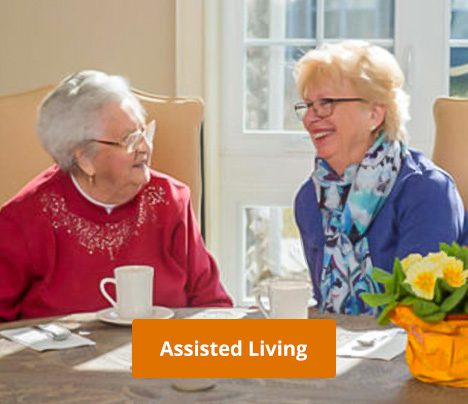
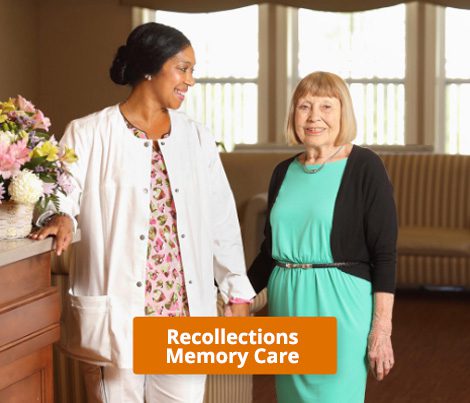
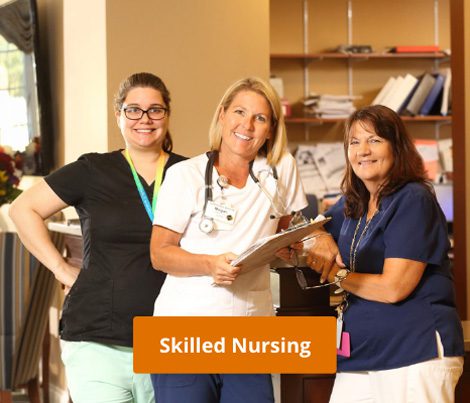
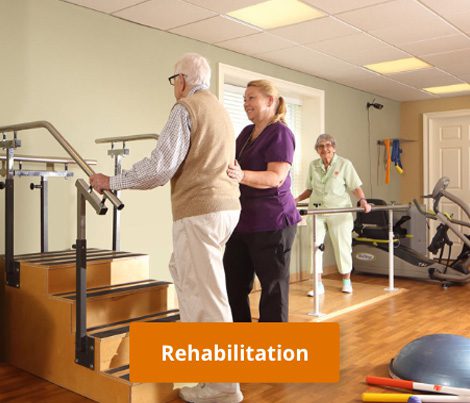
When you have questions about senior living, we are here to help. Sunnyside Manor offers assisted living, memory care, and skilled nursing and rehabilitation. Learn more about Sunnyside Manor’s resources for caregivers. Whether you’re looking for short-term support or a longer-term plan, begin with our “Getting Started” guide. Please call us at 888-696-2052 to speak with a senior living expert.
Sunnyside Manor, located in Wall NJ, is the area’s premier family-owned senior living community. The community features three distinctive neighborhoods: Independence ‘Plus’ Assisted Living, Recollections Memory Care, and Long-Term Care & Short-Term Rehabilitation. Respite stays and palliative care are available in all neighborhoods.